Technology
Technology
Molecular sieving technology for precise industrial gas separation
Molecular sieving technology for precise industrial gas separation
At the core of our technology is a membrane cartridge that continuously separates gas into two streams. Inside, crystal-tuned pores act as molecular sieves, allowing selected molecules through while retaining others.
At the core of our technology is a membrane cartridge that continuously separates gas into two streams. Inside, crystal-tuned pores act as molecular sieves, allowing selected molecules through while retaining others.
Validated on demanding process gas streams
Containerised turnkey delivery
5+ demonstration units
Validated on demanding process gas streams
Containerised turnkey delivery
5+ demonstration units
Built for industrial use
From breakthrough science to industrial application

Delivered turnkey, backed end-to-end
Equipment, license and service bundled as one system that integrates into existing infrastructure. The customer buys an outcome, not a component to de-risk alone.
One capability, many separation challenges
UniSieve can tune the crystal to each separation challenge. From large-scale hydrocarbon processes to semiconductor foundries and specialty gases.
Built on Nobel-winning science
The crystalline sieves include metal-organic frameworks (MOFs), a material class recognised by the 2025 Nobel Prize in Chemistry.
Built for industrial use
From breakthrough science to industrial application
Delivered turnkey, backed end-to-end
Equipment, license and service bundled as one system that integrates into existing infrastructure. The customer buys an outcome, not a component to de-risk alone.
One capability, many separation challenges
UniSieve can tune the crystal to each separation challenge. From large-scale hydrocarbon processes to semiconductor foundries and specialty gases.
Built on Nobel-winning science
The crystalline sieves include metal-organic frameworks (MOFs), a material class recognised by the 2025 Nobel Prize in Chemistry.
Built for industrial use
From breakthrough science to industrial application
Delivered turnkey, backed end-to-end
Equipment, license and service bundled as one system that integrates into existing infrastructure. The customer buys an outcome, not a component to de-risk alone.
One capability, many separation challenges
UniSieve can tune the crystal to each separation challenge. From large-scale hydrocarbon processes to semiconductor foundries and specialty gases.
Built on Nobel-winning science
The crystalline sieves include metal-organic frameworks (MOFs), a material class recognised by the 2025 Nobel Prize in Chemistry.
How it works
Molecular sieving
explained
At the core sits UniSieve’s proprietary membrane technology. It enables continuous gas separation at molecular level, using far less energy than conventional methods and allowing valuable components to be recovered and reused.
How it works
Molecular sieving
explained
At the core sits UniSieve’s proprietary membrane technology. It enables continuous gas separation at molecular level, using far less energy than conventional methods and allowing valuable components to be recovered and reused.
Feed gas enters the cartridge
Pressure creates two continuous gas streams
Feed gas enters the cartridge and a pressure difference drives selected molecules through the membrane. The faster-permeating molecules form the permeate stream; the remaining molecules continue as the retentate stream.
INSIDE THE CARTRIDGE
The membrane does the separating
Inside the cartridge, gas flows across layers of molecular-sieving membrane. Smaller target molecules permeate through the membrane, while larger molecules continue along the feed side.
At molecular scale
The pore size determines what passes through
Porous crystalline sieves inside the membrane provide precisely defined openings. By tuning the crystal and its pore size for the target separation, smaller molecules can permeate while larger molecules are retained. Even when they differ by only fractions of an ångström.


Feed gas enters the cartridge
Pressure creates two continuous gas streams
Feed gas enters the cartridge and a pressure difference drives selected molecules through the membrane. The faster-permeating molecules form the permeate stream; the remaining molecules continue as the retentate stream.
Feed gas enters the cartridge
Pressure creates two continuous gas streams
Feed gas enters the cartridge and a pressure difference drives selected molecules through the membrane. The faster-permeating molecules form the permeate stream; the remaining molecules continue as the retentate stream.
Production team

In-house production
Precision at every stage of production
We produce our membranes in-house, giving us full control over quality, consistency and performance. From tailored development to scalable manufacturing, every membrane is engineered for reliable deployment in demanding industrial applications.
Production team
In-house production
Precision at every stage of production
We produce our membranes in-house, giving us full control over quality, consistency and performance. From tailored development to scalable manufacturing, every membrane is engineered for reliable deployment in demanding industrial applications.
Production team
In-house production
Precision at every stage of production
We produce our membranes in-house, giving us full control over quality, consistency and performance. From tailored development to scalable manufacturing, every membrane is engineered for reliable deployment in demanding industrial applications.
Bring us the separation challenge
We’ll explore the molecular cutoff.

Bring us the separation challenge
We’ll explore the molecular cutoff.
Bring us the separation challenge
We’ll explore the molecular cutoff.
Gas separation solutions
One separation platform. Three industrial applications.

Gas separation solutions
One separation platform. Three industrial applications.
Gas separation solutions
One separation platform. Three industrial applications.
A different separation principle
Same separation challenge.
A very different way of solving it.
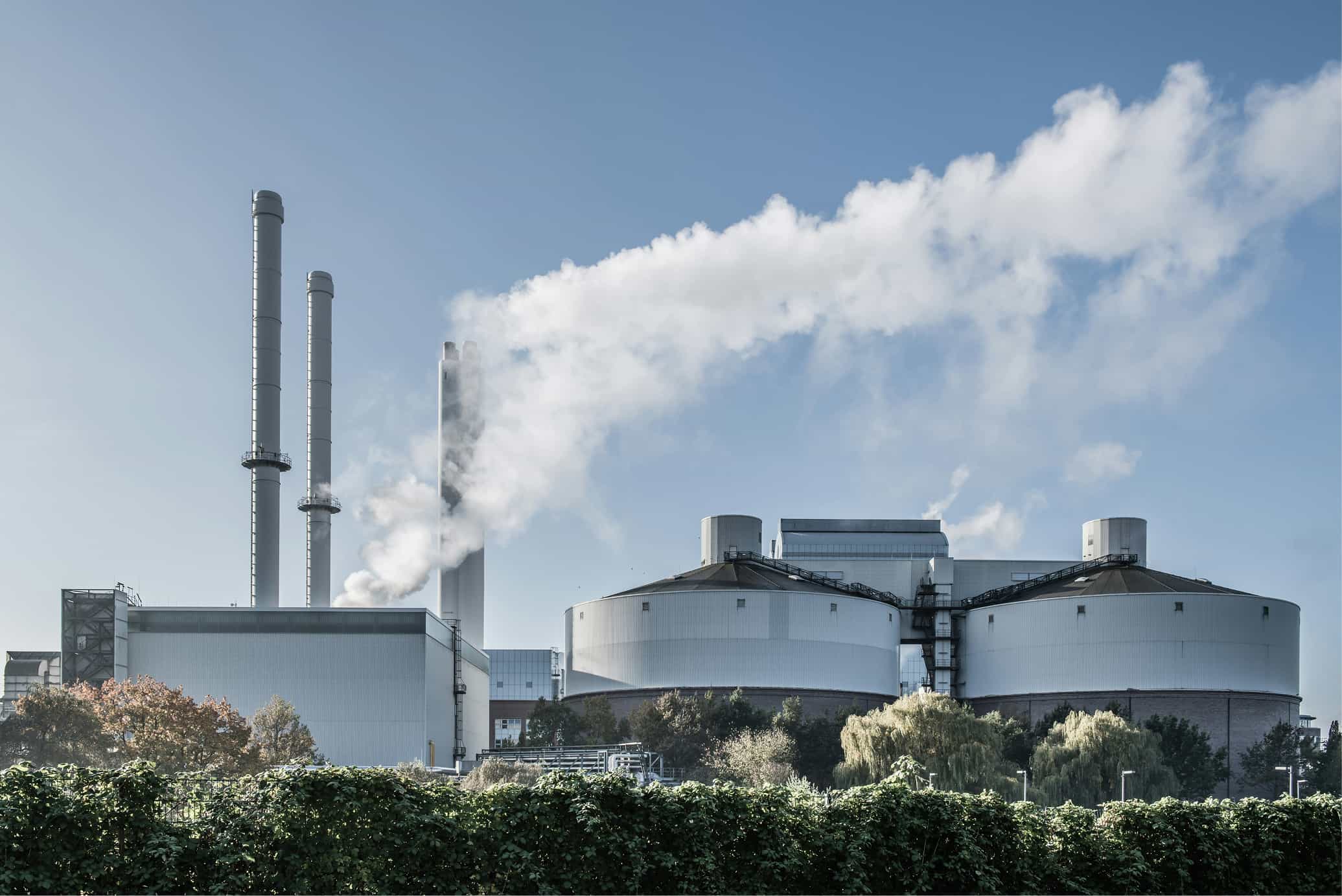
High-precision molecular sieving continuously separates CO₂ from flue gas. The captured stream can then be conditioned for reuse, offtake or storage, helping reduce energy demand and strengthen the business case for capture.
A different separation principle
Same separation challenge.
A very different way of solving it.
High-precision molecular sieving continuously separates CO₂ from flue gas. The captured stream can then be conditioned for reuse, offtake or storage, helping reduce energy demand and strengthen the business case for capture.
UniSieve
Separates by precisely defined molecular size
Pressure moves molecules through the membrane
Continuous membrane separation
Compact, modular membrane system
UniSieve
Separates by precisely defined molecular size
Pressure moves molecules through the membrane
Continuous membrane separation
Compact, modular membrane system
Conventional separation
Often separates by boiling point or chemical affinity
Often relies on heating, cooling or solvents
May require regeneration or batch-like cycles
Typically larger and more infrastructure-intensive
Conventional separation
Often separates by boiling point or chemical affinity
Often relies on heating, cooling or solvents
May require regeneration or batch-like cycles
Typically larger and more infrastructure-intensive
Tell us what you’re trying to improve. We’ll explore what’s possible.
Share the separation challenge you’re dealing with today. We’ll help assess where molecular sieving could improve recovery, capacity, efficiency or emissions and what that could mean for your process.
Tell us what you’re trying to improve. We’ll explore what’s possible.
Share the separation challenge you’re dealing with today. We’ll help assess where molecular sieving could improve recovery, capacity, efficiency or emissions and what that could mean for your process.
Tell us what you’re trying to improve. We’ll explore what’s possible.
Share the separation challenge you’re dealing with today. We’ll help assess where molecular sieving could improve recovery, capacity, efficiency or emissions and what that could mean for your process.