Downstream Refining Operations
Unlock more capacity from your existing C3 splitter or de-ethanizer

Relieve the splitter. Create room for more polymer-grade propylene.
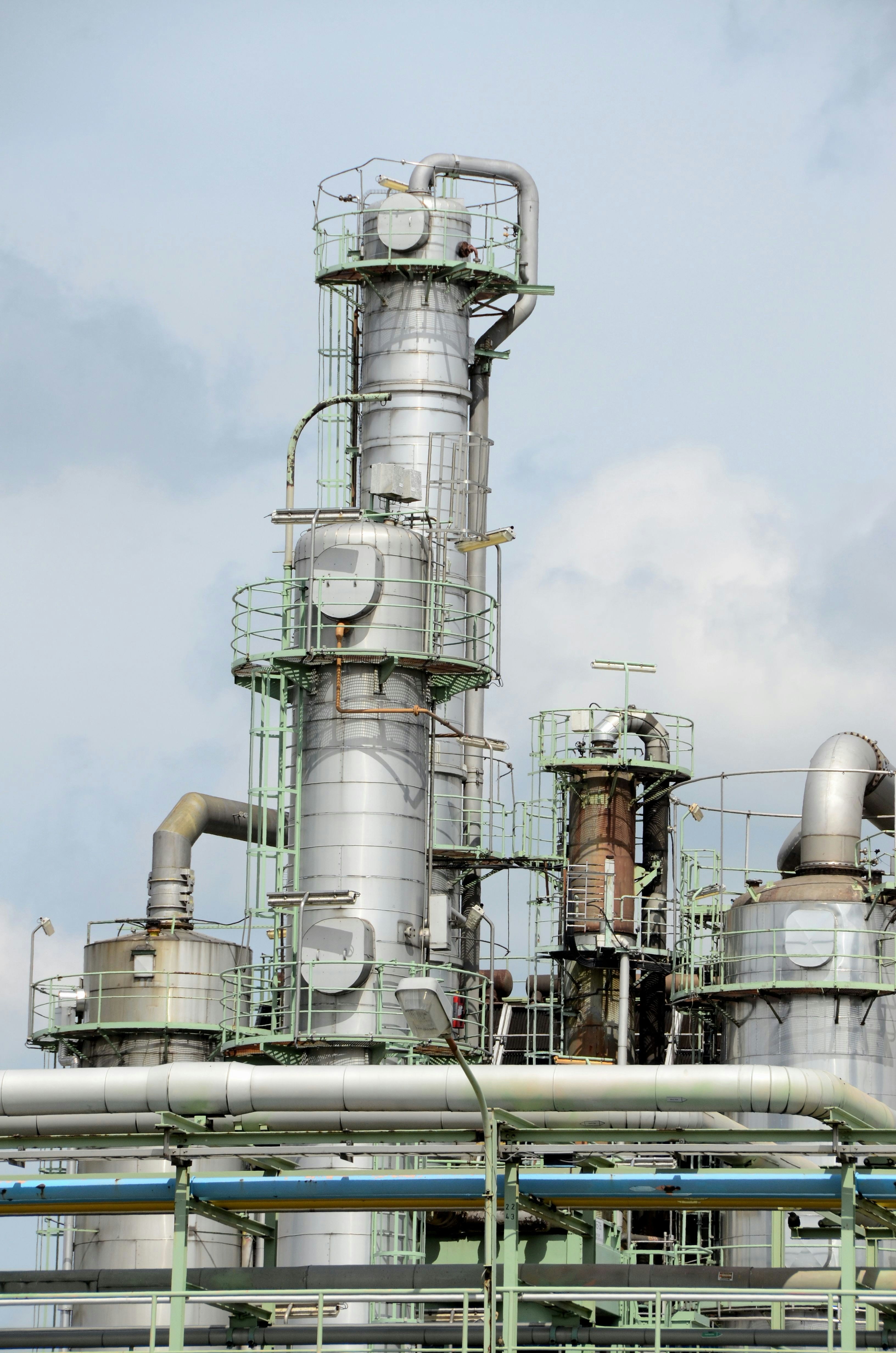
Your de-ethanizer separates the C2 molecules and lighter from heavier hydrocarbons. Your C3 splitter produces the polymer-grade propylene your downstream units or off-takers depend on. Separating these types of hydrocarbons is energy-intensive and can constrain capacity. Add molecular-sieving separation alongside a suitable existing splitter to assess lower operating costs and additional production capacity.
Downstream Refining Operations
Unlock more capacity from your existing C3 splitter or de-ethanizer
Relieve the splitter. Create room for more polymer-grade propylene.
Your de-ethanizer separates the C2 molecules and lighter from heavier hydrocarbons. Your C3 splitter produces the polymer-grade propylene your downstream units or off-takers depend on. Separating these types of hydrocarbons is energy-intensive and can constrain capacity. Add molecular-sieving separation alongside a suitable existing splitter to assess lower operating costs and additional production capacity.
Downstream Refining Operations
Unlock more capacity from your existing C3 splitter or de-ethanizer
Relieve the splitter. Create room for more polymer-grade propylene.
Your de-ethanizer separates the C2 molecules and lighter from heavier hydrocarbons. Your C3 splitter produces the polymer-grade propylene your downstream units or off-takers depend on. Separating these types of hydrocarbons is energy-intensive and can constrain capacity. Add molecular-sieving separation alongside a suitable existing splitter to assess lower operating costs and additional production capacity.
Benefits
Get more from the C3 separation you already run
For refining operations, the opportunity is to reduce the separation duty carried by the existing C3 splitter and create room for more polymer-grade propylene. The business case depends on your plant configuration, bottleneck, energy balance and integration requirements.

Lower operating costs
Assess whether membrane integration can reduce the separation duty carried by the existing splitter relative to the electricity and conditioning the membrane system requires.
Create more production capacity
Where the C3 splitter limits production, debottlenecking may enable greater polymer-grade propylene output.
Improve the economics of existing assets
Compare the value of additional production and lower separation duty against capital, integration and operating costs.
Benefits
Get more from the C3 separation you already run
For refining operations, the opportunity is to reduce the separation duty carried by the existing C3 splitter and create room for more polymer-grade propylene. The business case depends on your plant configuration, bottleneck, energy balance and integration requirements.
Lower operating costs
Assess whether membrane integration can reduce the separation duty carried by the existing splitter relative to the electricity and conditioning the membrane system requires.
Create more production capacity
Where the C3 splitter limits production, debottlenecking may enable greater polymer-grade propylene output.
Improve the economics of existing assets
Compare the value of additional production and lower separation duty against capital, integration and operating costs.
Benefits
Get more from the C3 separation you already run
For refining operations, the opportunity is to reduce the separation duty carried by the existing C3 splitter and create room for more polymer-grade propylene. The business case depends on your plant configuration, bottleneck, energy balance and integration requirements.
Lower operating costs
Assess whether membrane integration can reduce the separation duty carried by the existing splitter relative to the electricity and conditioning the membrane system requires.
Create more production capacity
Where the C3 splitter limits production, debottlenecking may enable greater polymer-grade propylene output.
Improve the economics of existing assets
Compare the value of additional production and lower separation duty against capital, integration and operating costs.
Is your C3 splitter or de-ethanizer operating near its limit?
That may be the debottlenecking case worth assessing.
Is your C3 splitter or de-ethanizer operating near its limit?
That may be the debottlenecking case worth assessing.
Is your C3 splitter or de-ethanizer operating near its limit?
That may be the debottlenecking case worth assessing.
End-to-end solution
Assess first. Validate on your stream. Then scale.
1
Establish feasibility
Review your existing distillation separation configuration, feed composition, product requirements and operating constraints. Together, we assess whether the splitter is limiting production and where membrane separation could fit.

2
Validate with a pilot
Use site-specific engineering assessment and, where required, testing on your own stream to establish separation performance and energy requirements. The findings help your team evaluate technical fit and commercial potential before scaling.
Directly installed on plant

3
Deploy & operate
Once the case is proven, configure the full system around your plant, operating requirements and recovered-product route. Then integrate and bring it into operation.
End-to-end solution
Assess first. Validate on your stream. Then scale.
1
Establish feasibility
Review your existing distillation separation configuration, feed composition, product requirements and operating constraints. Together, we assess whether the splitter is limiting production and where membrane separation could fit.
2
Validate with a pilot
Use site-specific engineering assessment and, where required, testing on your own stream to establish separation performance and energy requirements. The findings help your team evaluate technical fit and commercial potential before scaling.
Directly installed on plant
3
Deploy & operate
Once the case is proven, configure the full system around your plant, operating requirements and recovered-product route. Then integrate and bring it into operation.
End-to-end solution
Assess first. Validate on your stream. Then scale.
1
Establish feasibility
Review your existing distillation separation configuration, feed composition, product requirements and operating constraints. Together, we assess whether the splitter is limiting production and where membrane separation could fit.
2
Validate with a pilot
Use site-specific engineering assessment and, where required, testing on your own stream to establish separation performance and energy requirements. The findings help your team evaluate technical fit and commercial potential before scaling.
Directly installed on plant
3
Deploy & operate
Once the case is proven, configure the full system around your plant, operating requirements and recovered-product route. Then integrate and bring it into operation.
FAQ
Questions about C3 splitter optimisation
FAQ
Questions about C3 splitter optimisation
FAQ
Questions about C3 splitter optimisation
Tell us what you’re trying to improve. We’ll explore what’s possible.
Share the separation challenge you’re dealing with today. We’ll help assess where molecular sieving could improve recovery, capacity, efficiency or emissions and what that could mean for your process.
Tell us what you’re trying to improve. We’ll explore what’s possible.
Share the separation challenge you’re dealing with today. We’ll help assess where molecular sieving could improve recovery, capacity, efficiency or emissions and what that could mean for your process.
Tell us what you’re trying to improve. We’ll explore what’s possible.
Share the separation challenge you’re dealing with today. We’ll help assess where molecular sieving could improve recovery, capacity, efficiency or emissions and what that could mean for your process.