Cement & lime
Make CO₂ capture fit your cement or lime plant

Lower the capture-energy burden. Fit around the kiln.
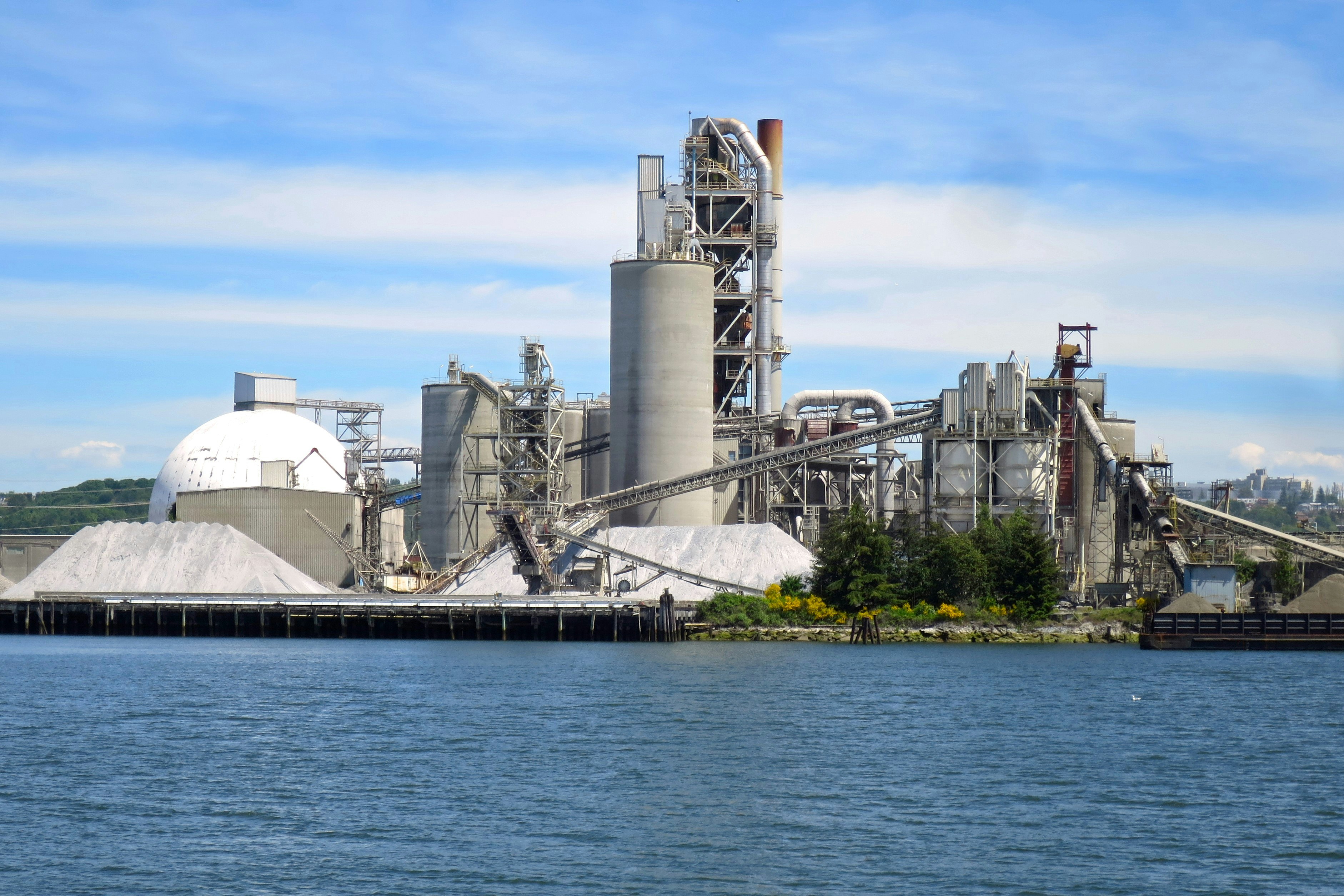
Cement and lime plants face growing pressure to cut process emissions that fuel switching cannot eliminate. Capture and concentrate CO₂ from suitable kiln and process streams with a fully electrified, modular membrane system engineered around your existing plant and the downstream route for the captured CO₂.
Cement & lime
Make CO₂ capture fit your cement or lime plant
Lower the capture-energy burden. Fit around the kiln.
Cement and lime plants face growing pressure to cut process emissions that fuel switching cannot eliminate. Capture and concentrate CO₂ from suitable kiln and process streams with a fully electrified, modular membrane system engineered around your existing plant and the downstream route for the captured CO₂.
Cement & lime
Make CO₂ capture fit your cement or lime plant
Lower the capture-energy burden. Fit around the kiln.
Cement and lime plants face growing pressure to cut process emissions that fuel switching cannot eliminate. Capture and concentrate CO₂ from suitable kiln and process streams with a fully electrified, modular membrane system engineered around your existing plant and the downstream route for the captured CO₂.
Benefits
Design capture around energy, space and integration
For cement and lime plants, carbon capture has to work around large gas volumes, existing treatment infrastructure and demanding operating conditions. The business case depends on how the capture system fits the plant and the downstream route for the captured CO₂.

Lower the energy burden
Use a fully electrified, pressure-driven capture step that avoids energy-intensive, thermal solvent regeneration in the core separation process.
Build around your existing plant
Configure a modular, containerised system around your gas-treatment train, available space and operating constraints.
Build around the CO₂ route
Concentrate the captured CO₂ towards the specification required for its intended use, transport or permanent storage.
Benefits
Design capture around energy, space and integration
For cement and lime plants, carbon capture has to work around large gas volumes, existing treatment infrastructure and demanding operating conditions. The business case depends on how the capture system fits the plant and the downstream route for the captured CO₂.
Lower the energy burden
Use a fully electrified, pressure-driven capture step that avoids energy-intensive, thermal solvent regeneration in the core separation process.
Build around your existing plant
Configure a modular, containerised system around your gas-treatment train, available space and operating constraints.
Build around the CO₂ route
Concentrate the captured CO₂ towards the specification required for its intended use, transport or permanent storage.
Benefits
Design capture around energy, space and integration
For cement and lime plants, carbon capture has to work around large gas volumes, existing treatment infrastructure and demanding operating conditions. The business case depends on how the capture system fits the plant and the downstream route for the captured CO₂.
Lower the energy burden
Use a fully electrified, pressure-driven capture step that avoids energy-intensive, thermal solvent regeneration in the core separation process.
Build around your existing plant
Configure a modular, containerised system around your gas-treatment train, available space and operating constraints.
Build around the CO₂ route
Concentrate the captured CO₂ towards the specification required for its intended use, transport or permanent storage.
Need to understand how carbon capture could fit around your existing kiln and gas-treatment train?
That may be the case worth assessing.
Kiln & process CO₂
capture, use, transport or storage
Need to understand how carbon capture could fit around your existing kiln and gas-treatment train?
That may be the case worth assessing.
Kiln & process CO₂
capture, use, transport or storage
Need to understand how carbon capture could fit around your existing kiln and gas-treatment train?
That may be the case worth assessing.
Kiln CO₂
capture, use, transport or storage
End-to-end solution
Assess first. Validate on your stream. Then scale.
1
Establish feasibility
Review your CO₂ source, flue-gas composition, annual volume, operating profile, gas-treatment train, available space and intended CO₂ destination. Together, we assess the capture opportunity, operating requirements and conditions for a viable project.

2
Validate with a pilot
Test on your own gas stream to establish relevant performance and operating data. The findings help your team evaluate technical fit, energy demand, integration requirements and commercial potential before scaling.
Directly installed on plant

3
Deploy & operate
Once the case is proven, configure the full system around your plant, operating requirements and CO₂ route. Then integrate and bring it into operation.
End-to-end solution
Assess first. Validate on your stream. Then scale.
1
Establish feasibility
Review your CO₂ source, flue-gas composition, annual volume, operating profile, gas-treatment train, available space and intended CO₂ destination. Together, we assess the capture opportunity, operating requirements and conditions for a viable project.
2
Validate with a pilot
Test on your own gas stream to establish relevant performance and operating data. The findings help your team evaluate technical fit, energy demand, integration requirements and commercial potential before scaling.
Directly installed on plant
3
Deploy & operate
Once the case is proven, configure the full system around your plant, operating requirements and CO₂ route. Then integrate and bring it into operation.
End-to-end solution
Assess first. Validate on your stream. Then scale.
1
Establish feasibility
Review your CO₂ source, flue-gas composition, annual volume, operating profile, gas-treatment train, available space and intended CO₂ destination. Together, we assess the capture opportunity, operating requirements and conditions for a viable project.
2
Validate with a pilot
Test on your own gas stream to establish relevant performance and operating data. The findings help your team evaluate technical fit, energy demand, integration requirements and commercial potential before scaling.
Directly installed on plant
3
Deploy & operate
Once the case is proven, configure the full system around your plant, operating requirements and CO₂ route. Then integrate and bring it into operation.
FAQ
Questions about CO₂ capture from cement and lime
FAQ
Questions about CO₂ capture from cement and lime
FAQ
Questions about CO₂ capture from cement and lime
Tell us what you’re trying to improve. We’ll explore what’s possible.
Share the separation challenge you’re dealing with today. We’ll help assess where molecular sieving could improve recovery, capacity, efficiency or emissions and what that could mean for your process.
Tell us what you’re trying to improve. We’ll explore what’s possible.
Share the separation challenge you’re dealing with today. We’ll help assess where molecular sieving could improve recovery, capacity, efficiency or emissions and what that could mean for your process.
Tell us what you’re trying to improve. We’ll explore what’s possible.
Share the separation challenge you’re dealing with today. We’ll help assess where molecular sieving could improve recovery, capacity, efficiency or emissions and what that could mean for your process.